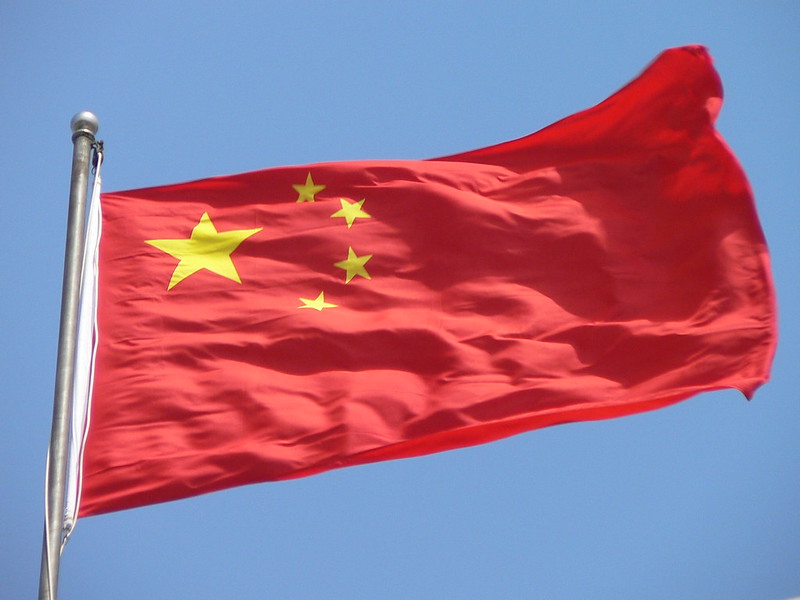
In what ways have socially and politically marginalized individuals and groups pushed back against systemic power structures to create powerful online identities and communities?
Social media in China serve as “a double-edged sword,” which offers the government new communication opportunities with citizens but also allows citizens to access alternative information and connect among themselves in unprecedented ways (Masterson, 2015, p. 238).
When discussing media and politics in China, Hadland (2015) noted that China is a prime example of “the enduring importance of the state in human affairs” (p. 129). On the other hand, Marolt(2015) commented that “the dichotomy of control vs. freedom” did not fully capture the dynamic relationship between Chinese politics and new media(p. 5). As long as Chinese citizens did not challenge the political status quo, they could enjoy the new conveniences of life made possible by new media technologies. Furthermore, WeChat was empowering in that the new social medium brought Chinese together in mediated communities and offered new opportunities for a sense of agency and social advocacy in and outside China.
Completed with ZISHAN WANG
Reference list
Zhang, M 2016, ‘A rhetorical analysis of Chinese WeChat messages among midlife adults’, China Media Research, vol. 12, no. 3, pp. 7-16.
Craig, N 2005, China’s Red Beacon, 01 September 2015 Beijing, photograph, retrieved 17 April 2020, <https://www.flickr.com/photos/nagy/39185188/in/photolist-4sQoG-7K89tF-DZUxbx-5aY11d-6vd9aP-6UXXT-aF4dWn-22bY3bG-nZJw9i-N4QQLD-23ohDNf-esUTNL-218faLJ-2a66hig-E5F5kW-DtF8EA-HgPZ7c-F4E5yr-Mo8t83-aes8oJ-4UhbTZ-26xfPGk-vcRtJH-D2Vkbn-2a3rErJ-2f96J4r-pb8XrU-5VY1ut-eynPT2-jQQog8-k1Tiji-jGrzgv-jQPwtz-bQa83g-yuF5M-jGxizB-jGxiQB-dCeWaM-jS6XVg-bjuPp-218fci1-eynPhR-j1gdS-jGyMp3-86cPUc-at3AS3-4JnU8u-5dGe9-jGzheu-e69xUe>
 moon.wysl